Bipolar affective disorder (BAD) is a chronic mental health condition that profoundly affects a person’s mood, energy, thinking, and behavior. It is far more than simple mood swings; it is a serious condition that requires understanding, professional treatment, and support.
What is bipolar affective disorder?
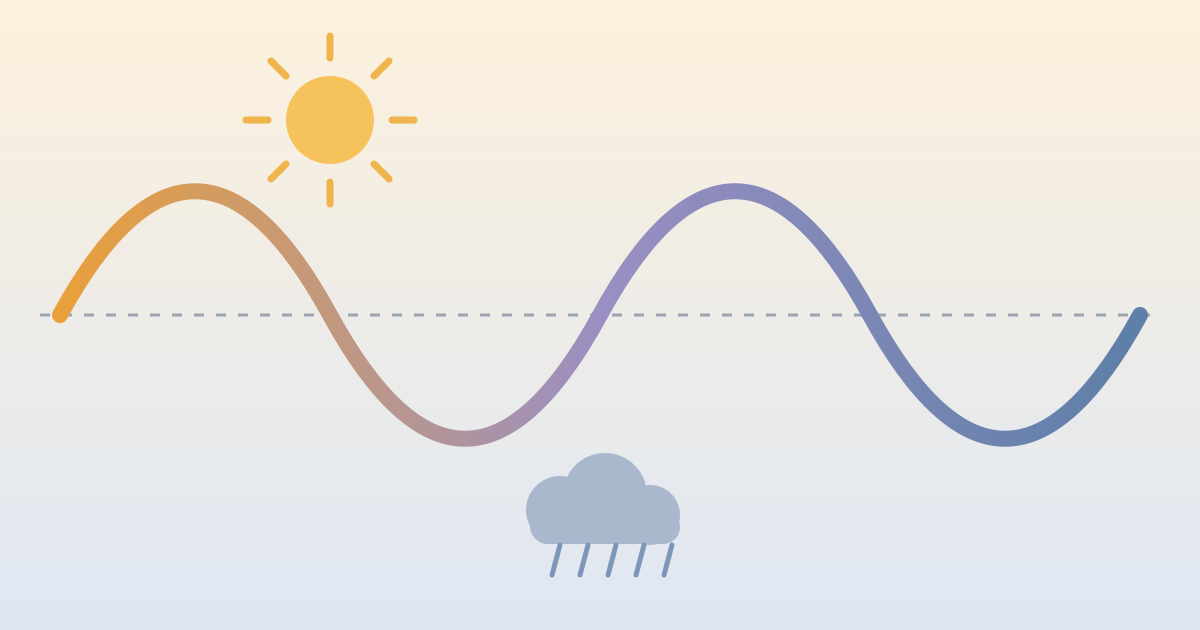
BAD is characterized by alternation between two opposing phases (episodes) that go well beyond typical emotional responses:
Manic (or hypomanic) episodes
Periods of pathologically elevated, expansive, or irritable mood. During these times, a person may experience:
- euphoria and heightened activity;
- inflated self-esteem;
- a reduced need for sleep (without feeling tired);
- racing thoughts and ideas, accelerated speech;
- impulsive or risky behavior (reckless spending, dangerous sexual activity).
Depressive episodes
Periods of profound sadness, hopelessness, and loss of interest in life. Symptoms include:
- a persistent low or melancholy mood;
- loss of interest or pleasure in previously enjoyed activities (anhedonia);
- significant changes in appetite or weight;
- insomnia or excessive sleepiness;
- fatigue and lack of energy;
- feelings of guilt or worthlessness, reduced ability to concentrate.
There are several types of BAD (Bipolar I, Bipolar II, and cyclothymia), categorized by the severity and duration of these phases.
The scope of the issue. Approximately 1–3% of the world’s population has bipolar affective disorder. It typically manifests in early adulthood (between 15 and 30). Prevalence is roughly equal in men and women; however, women are more likely to have Bipolar II, in which depressive phases predominate.
Causes: why does it occur?
The exact cause of bipolar disorder is unknown, but most researchers agree that it arises from a combination of several factors:
Biological factors
Genetics and neurochemistry. Heredity plays a key role: the risk is 10–15 times higher for close relatives of an affected person. An imbalance of neurotransmitters in the brain (dopamine, serotonin, norepinephrine) and disrupted neural network function also play significant roles.
Psychosocial factors
Intense stress, psychological trauma (especially in childhood), or chronic strain can act as a “trigger” for the first episode in people with a biological predisposition.
Course of the disorder
The course of bipolar disorder is highly individual and unpredictable. Some people have episodes several times a year, while others may go years between them. Phases can be separated by periods of complete well-being (intermission), when symptoms are entirely absent and the person returns to normal life. Without treatment, the frequency and severity of episodes typically increase over time.
What sets off a new episode?
Even with proper treatment, certain factors can provoke a shift in phase:
- Disrupted sleep. Lack of sleep is one of the most potent triggers of mania.
- Significant stress — both positive events (a wedding, a new job) and negative ones (loss of a loved one, job loss).
- Psychoactive substances. Alcohol and drugs (especially stimulants) can cause a sharp deterioration.
- Stopping medication. Discontinuing mood stabilizers on one’s own is a common cause of relapse.
- Seasonal changes. Many people experience exacerbations in spring and autumn.
- Hormonal changes (for example, after childbirth).
Social challenges
Living with bipolar disorder brings significant challenges:
- Personal relationships. Unpredictable behavior during episodes — irritability in mania, withdrawal in depression — can be very hard for partners, friends, and family.
- Work and study. During mania a person may act inappropriately; during depression they may be unable to meet their responsibilities. This often leads to job loss or academic failure.
- Financial problems. Impulsive spending during a manic phase can result in substantial debt.
- Stigma. Society often judges what it does not understand. People with bipolar disorder face prejudice, fear, and reluctance from others to accept their condition.
- Isolation. Out of fear of judgment or a lack of understanding, a person may voluntarily withdraw from social contact.
The importance of taking medication
Bipolar disorder is a chronic condition, much like diabetes or hypertension. It requires consistent, lifelong medication, even when a person feels well.
Main classes of medication:
Mood stabilizers
The “foundation” of treatment: they prevent new episodes and smooth out mood swings.
Atypical antipsychotics
Used to manage both manic and depressive phases.
Antidepressants
Prescribed with great caution and only together with mood stabilizers, as they can trigger a shift from depression to mania.
Why shouldn’t you stop taking your medication? Stopping medication on one’s own is the primary cause of relapse. During remission, a person may feel “cured” and no longer in need of pills. But these medications do more than relieve symptoms — they keep brain function stable. Stopping them almost invariably brings back severe episodes that can devastate a person’s established life, relationships, and career.
Conclusion
Bipolar disorder is a serious but manageable condition. With an accurate diagnosis, appropriate pharmacotherapy, and support from a therapist and loved ones, a person with bipolar disorder can live a full, productive, and stable life. The first and most important step is to accept the diagnosis and understand that medication is not a “crutch” but an essential tool for maintaining health and balance.