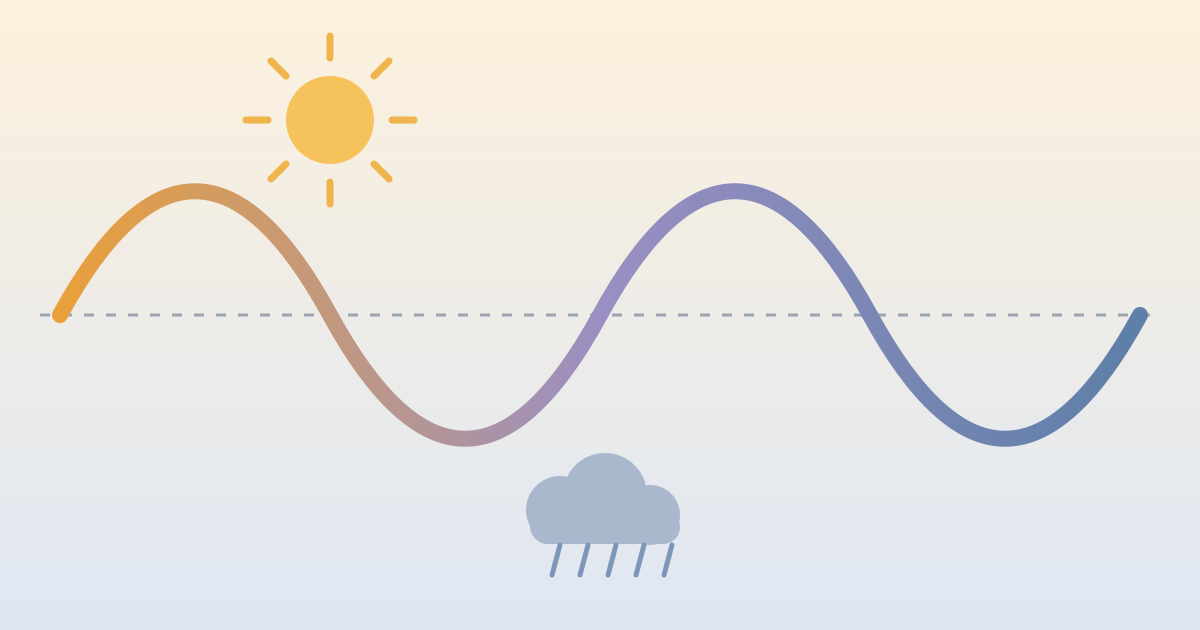
In the realm of mental health, some conditions are often misunderstood, even by professionals. One of them is borderline personality disorder (BPD). It is not a trendy diagnosis or a personality trait, but a serious mental health condition marked by emotional instability, a distorted sense of self, and difficulties in relationships. People with BPD truly live “on the edge” — caught between intense emotions, fear of abandonment, and a chronic sense of emptiness.
What is borderline personality disorder?
BPD is a personality disorder marked by a pervasive pattern of instability in relationships, self-image, and emotions, along with significant impulsivity. The brain of a person with this disorder processes emotions differently: a minor trigger can provoke an intense, explosive reaction that takes much longer to subside than in someone without BPD. This is not about being “fickle” or “difficult” — it is a biological characteristic.
Key symptoms: what to look for
- Desperate efforts to avoid real or imagined abandonment. Not just fear, but a panicky, all-consuming anxiety that drives a person to desperate measures to keep someone close.
- Unstable, intense relationships that swing between idealization and devaluation (“I love you” / “I hate you”). One day a partner may seem perfect, the next — worthless.
- Identity disturbance: a marked, persistent instability of self-image. Values, interests, and career goals may change frequently and abruptly. A chronic feeling of emptiness is also characteristic.
- Impulsivity in at least two potentially self-damaging areas (spending, sex, substance use, reckless driving, binge eating).
- Recurrent suicidal behavior, threats, or self-harm. One of the most severe symptoms. Self-harm is often not a suicide attempt but a way to cope with unbearable emotional pain.
- Affective instability: intense mood swings (severe anxiety, irritability, dysphoria) that usually last from a few hours to a few days.
- Inappropriate, intense anger or difficulty controlling it. Outbursts can be violent and out of proportion to the situation.
- Transient, stress-related paranoid thoughts or severe dissociation. Under intense stress a person may lose touch with reality, become suspicious, or feel “outside their own body.”
If you or someone close to you has thoughts of suicide or self-harm, please don’t face it alone: talk to a doctor, and in an emergency call 112.
Who is at risk, and what are the causes?
BPD is diagnosed in approximately 1–3% of the population, more often in women. However, recent research suggests that its prevalence among men may be underestimated.
The causes of BPD are complex and usually involve a combination of three factors:
Biological
A hereditary predisposition to emotional vulnerability. Research has found functional differences in the amygdala and the prefrontal cortex.
Psychological
Certain temperament traits, such as high impulsivity and emotional reactivity.
Social (environmental)
Traumatic childhood experiences (physical, sexual, or emotional abuse, neglect, early loss of a parent). An unstable, dysfunctional environment where a child’s feelings were ignored or ridiculed is a key trigger.
Diagnosis and treatment: is there hope?
BPD should only be diagnosed by a qualified psychiatrist. It is a complex process that requires distinguishing BPD from bipolar disorder, depression, anxiety disorders, and other personality disorders.
Effective psychotherapeutic approaches include:
Dialectical Behavior Therapy (DBT)
The “gold standard” for BPD. It teaches emotion regulation, distress tolerance, interpersonal effectiveness, and mindfulness.
Mentalization-Based Treatment (MBT)
Helps a person understand their own mental states (thoughts, feelings, beliefs) and those of others.
Schema Therapy
Addresses deep-seated, maladaptive beliefs about oneself and the world formed in childhood.
Medication is not the primary treatment and does not address the core of BPD, but it may be prescribed for co-occurring symptoms such as depression, anxiety, or impulsivity.
How can you support a loved one with BPD?
- Educate yourself. Understanding the nature of the disorder helps separate the person from their symptoms.
- Show empathy, but set boundaries. Compassion does not mean condoning destructive behavior; clear, kind boundaries matter for both sides.
- Encourage treatment. The greatest gift you can offer is to gently support the person’s decision to seek therapy.
Supporting someone with BPD can be emotionally draining. Don’t neglect your own mental health, and seek help for yourself if needed.
Conclusion
Borderline personality disorder is a serious but treatable condition. The path to remission is long and requires great effort from the patient, support from loved ones, and professional care. By raising awareness of BPD, we fight stigma and give hope to thousands of people who live in a constant inner struggle — yet have every chance of finding stability and a fulfilling life.